- Morning-After Pill
- Hormonal balance
What Does the Morning-After Pill Do? Everything You Need to Know
How does the morning-after pill work, who is it suitable for and what are its side effects? A comprehensive guide from a pharmacist's point of view.
care with .ki3 min readContent principles
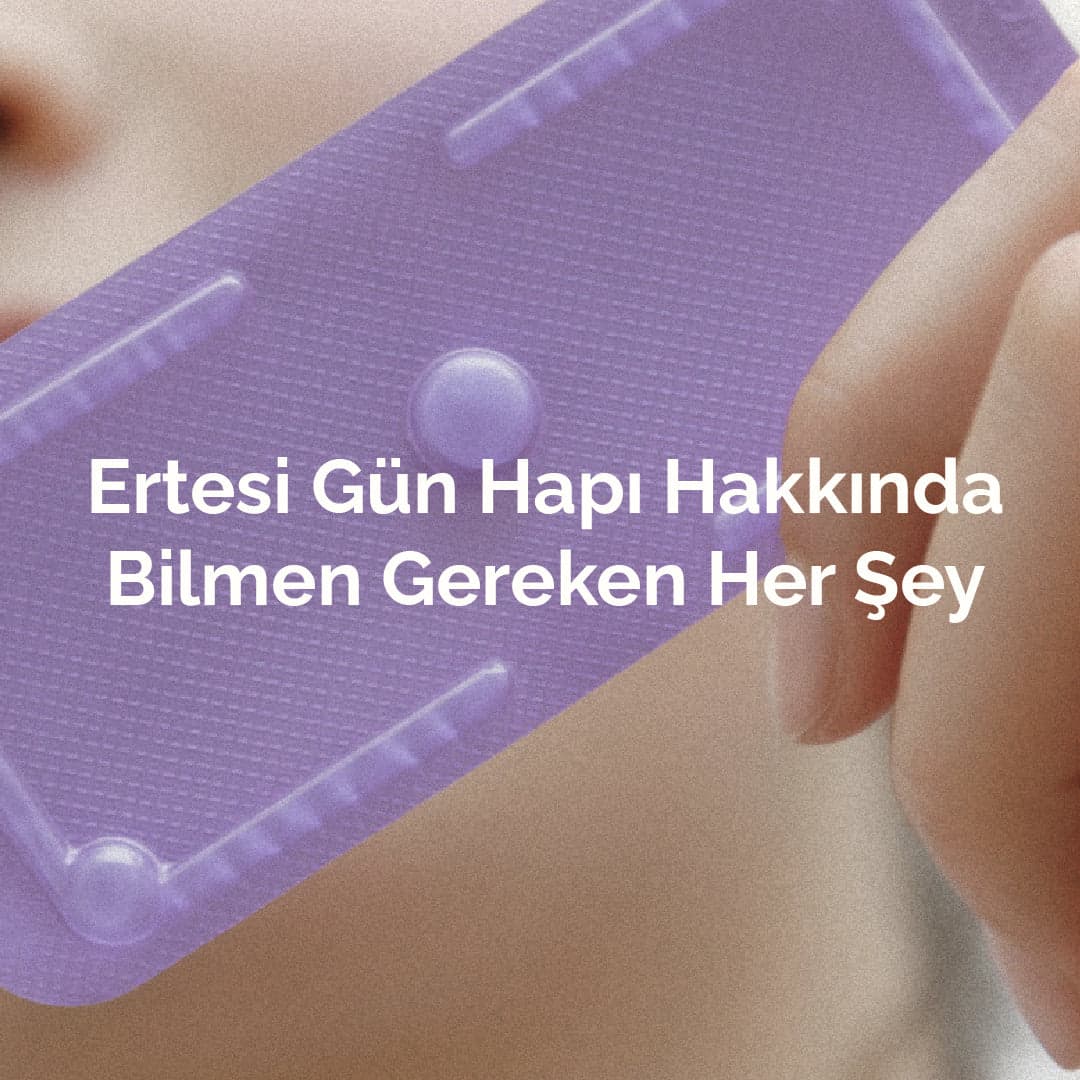
Hello! As a pharmacist, today I want to talk here, at our digital desk, in detail about the famous question that dozens of people ask me every day, hesitantly, in a whisper or sometimes in a panic: "Pharmacist, what exactly does this morning-after pill do?"
Let's put hearsay aside and lay this subject on the table in a scientific but "human" language.
What Is the Morning-After Pill and What Does It Do?
First, let's be clear: the morning-after pill is not a method of birth control. It is an "emergency" button. It is a method used to prevent pregnancy after unprotected sex or when the contraceptive method used has failed (such as a condom breaking).
How does it work? Contrary to popular belief, the morning-after pill does not end an existing pregnancy (in other words, it is not an abortion pill). Its main job is to delay egg release (ovulation). If the body has not yet released the egg, the pill steps in and halts the process, saying "Stop, it's not time yet!" This way the sperm and the egg cannot meet.
1. Active Ingredients: What's on the Shelf?
When you come to the pharmacy, you will find two main "hero" molecules. They differ from each other in both duration and strength:
- Levonorgestrel (LNG): A synthetic derivative of the hormone progesterone that has been used for years. It is effective within the first 72 hours (3 days) after sex.
- Ulipristal Acetate (UPA): A newer and stronger molecule. It is a progesterone receptor modulator. It can remain effective for up to 120 hours (5 days) after sex.
2. Mechanism of Action: What Happens Inside?
This is where the biggest misunderstanding lies: the morning-after pill is not an abortion pill. It does not end an existing pregnancy.
So what does it do? The main mechanism is to suppress the LH (luteinising hormone) surge.
- Delaying Egg Release (Ovulation): When sperm enter the body, they start waiting for the egg. The pill delays the release of the egg by about 5–7 days. During this time the sperm lose their viability and fertilisation cannot take place.
- Timing Is Everything: If egg release (ovulation) has already happened, the effect of levonorgestrel drops considerably. Ulipristal acetate, on the other hand, can stop ovulation even just before the LH peak.
3. When and How Should It Be Used?
Although it's called the "morning after" pill, our motto is: the sooner, the better!
- If you vomit within the first 3 hours after taking the pill, it may not have been fully absorbed. In this case, you must consult your pharmacist, and you may need to repeat the dose.
- Taking the pill on a full stomach may ease possible nausea a little.
4. Side Effects and "Feared" Situations
Because you are taking a high dose of hormones, some systemic reactions are normal:
- Irregular Periods: The most common situation we see. Your next period may come a week early or late.
- Spotting: Spotting-type bleeding may occur; don't panic.
- Tiredness and Breast Tenderness: A natural reaction of the body to the hormonal change.
3 Critical Facts You Need to Know
- It Doesn't Protect You in Future Encounters: You took the pill, so is it all over? No. That pill was only for that one "accident". If you have unprotected sex again the next day, it won't protect you.
- Weight Matters: Recent studies show that the effect of some pills is somewhat reduced in people with a high body mass index. In this case, don't hesitate to ask your pharmacist which option is better for you.
- How Many Times a Year? Don't believe urban legends such as "it can only be taken twice a year", but don't make it a habit either. It can upset your hormonal balance, and it is not as safe as a real method of birth control.
References
- World Health Organization (WHO) - Emergency Contraception Fact Sheet.
- American College of Obstetricians and Gynecologists (ACOG) - Practice Bulletin No. 152: Emergency Contraception.
- Turkish Medicines and Medical Devices Agency (TITCK) - Patient Information Leaflets and Summaries of Product Characteristics.
- Cochrane Database of Systematic Reviews - Hormonal methods for emergency contraception.